Genetics

Mouse Models for Human Disease Workshop

A five-day workshop on the effective use of mouse models in biomedical research at Advance, Harwell. Learn how to select, design and manage genetically altered mouse studies, with a focus on experimental rigour, reproducibility and disease modelling.

  • Genetics
  • 5 days
Tutor
Michelle Stewart
When
  • 22-26 February 2027
Availability
Open for booking
Cost
£2325
Duration
5 days

Course Overview

This workshop addresses one of the key challenges in modern biomedical research: ensuring genetically altered (GA) mouse models are used appropriately, rigorously, and reproducibly. Designed for researchers with a basic understanding of mouse genetics, it provides practical guidance on experimental design, model selection, breeding strategies, and troubleshooting to help maximise the scientific value of GA mouse studies.

Making the Most of Genetically Altered Mouse Models

Genetically altered mouse models are powerful tools for investigating gene function and disease mechanisms, but their successful use requires careful planning and a clear understanding of the factors that can influence experimental outcomes. This workshop explores the critical variables to consider when designing studies, including the selection of appropriate experimental and control groups, the importance of genetic background, and how strain choice can affect the interpretation and reproducibility of results.

Participants will gain an overview of the methods used to generate genetically altered mouse lines and learn which aspects of model generation are most important to understand when planning experiments or developing breeding strategies. The workshop also covers the essential quality control checks that should be completed before a new line is introduced into a research programme.

A significant focus of the workshop is conditional mouse models and the technologies that underpin them, including the Cre-Lox system and alternative recombinase platforms such as Flp, Dre, and Vika. These sophisticated systems allow researchers to manipulate gene expression in specific tissues or at defined time points, enabling biological questions to be addressed that cannot be investigated using conventional constitutive knockout models. However, their complexity also introduces opportunities for error and misinterpretation. Drawing on real-world examples, we will examine common pitfalls associated with conditional models, discuss how they arise, and identify practical strategies to minimise their impact on experimental outcomes.

The workshop also provides guidance on sourcing and importing mouse models from repositories and collaborators. Participants will learn how to identify suitable strains, assess available quality control information, and avoid common issues that can arise when introducing new lines into an existing colony.

As genetic research becomes increasingly sophisticated, the use of multiple alleles and complex breeding schemes is becoming routine. We will discuss how to design efficient breeding programmes, generate appropriate controls, minimise animal use where possible, and ensure that important breeding-related variables are not overlooked. Particular attention will be given to factors that can affect reproducibility long before animals enter an experimental cohort.

In addition, the workshop addresses common challenges encountered when managing genetically altered colonies, including troubleshooting breeding problems and determining the next steps when a model does not behave as anticipated. Participants are encouraged to bring examples from their own research, creating opportunities for discussion and collaborative problem-solving.

Who Should Attend?

This workshop is intended for researchers, PhD students, technical staff, and colony managers who are using – or planning to use – genetically altered mouse models and who already have a foundational understanding of mouse genetics. It will be particularly valuable for those seeking to improve the robustness, reproducibility, and efficiency of their in vivo research programmes.

Corporate sponsorship

Corporate Sponsorship of the Mouse Models for Human Disease Workshop is available. For further details, please email training@har.mrc.ac.uk.
Includes

  • Identify the critical variables that influence experiments using genetically altered mice.
  • Select appropriate strains, experimental groups, and controls.
  • Understand how genetically altered mouse lines are generated and validated.
  • Recognise the strengths and limitations of conditional genetic systems.
  • Assess the quality and suitability of mouse models obtained from repositories.
  • Design effective breeding strategies for complex genetic models.
  • Identify factors that influence reproducibility and experimental interpretation.
  • Troubleshoot common colony management and experimental challenges.

Course details

Where

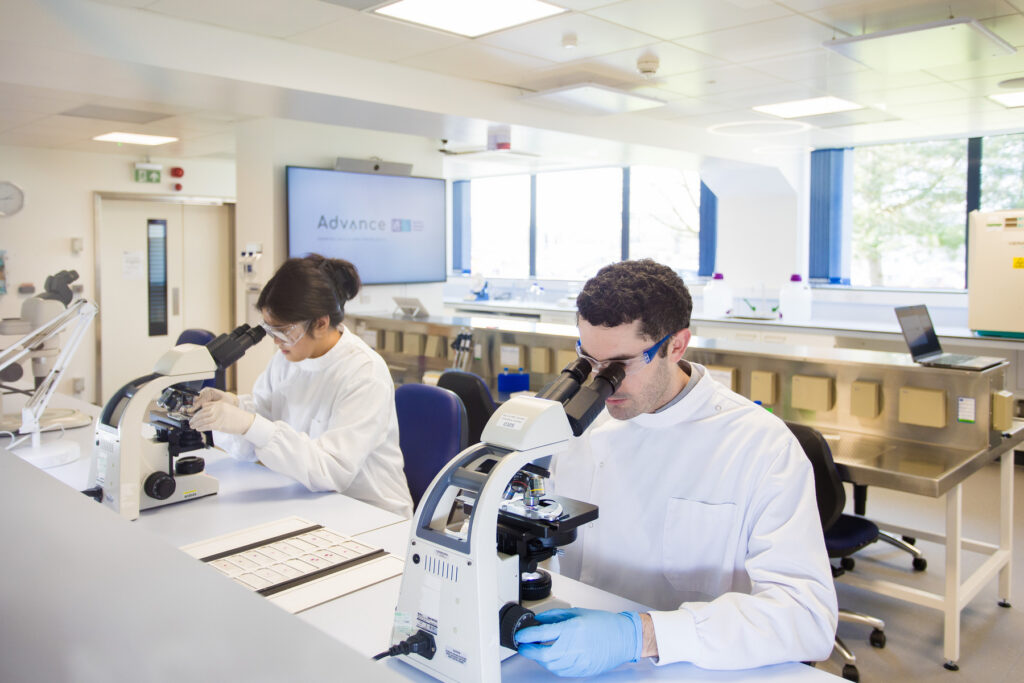
This course takes place at Advance, Harwell. You will be working in dedicated training spaces designed for practical scientific learning.

Format

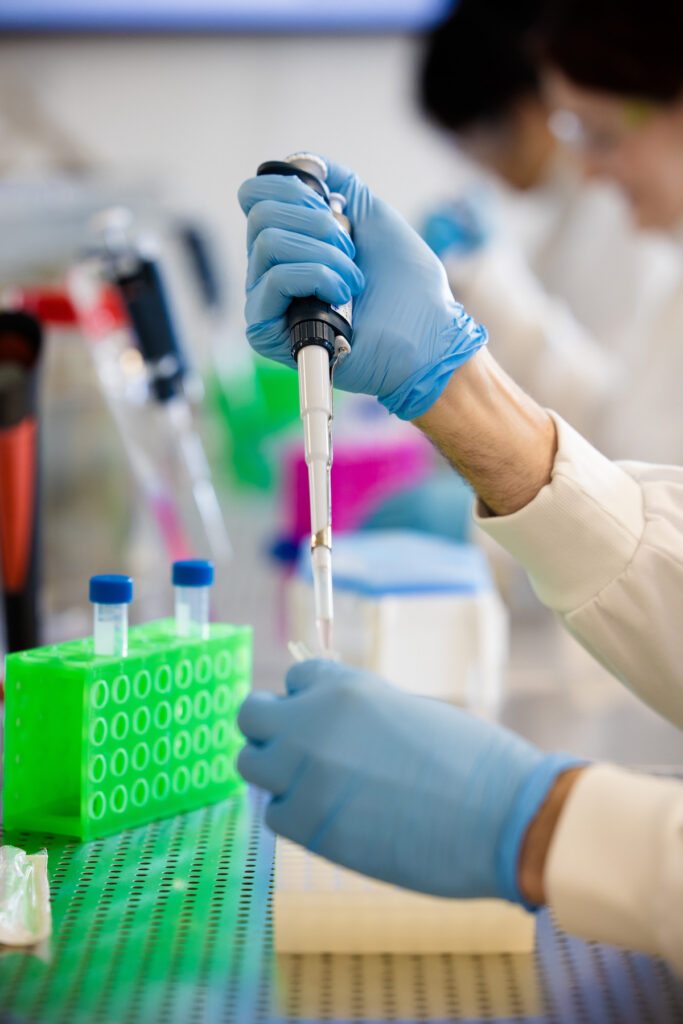
This is a 5 days practical course built around active participation, demonstrations, and supervised technical work.

Level

Suitable for learners who want to translate scientific knowledge into stronger practical capability.

Availability

Register interest

Cost

There is a range of pricing options available to suit your needs:

  • £2,325 includes four nights’ accommodation (Monday to Thursday), transport to the Advance Training Centre, lunch and refreshments throughout the week and a workshop evening meal
  • £2,420 includes five nights’ accommodation (Sunday to Thursday), transport to the Advance Training Centre, lunch and refreshments throughout the week and a workshop evening meal
  • £1,355 lunch and refreshments throughout the week and a workshop evening meal (no accommodation or transport)

Tutors

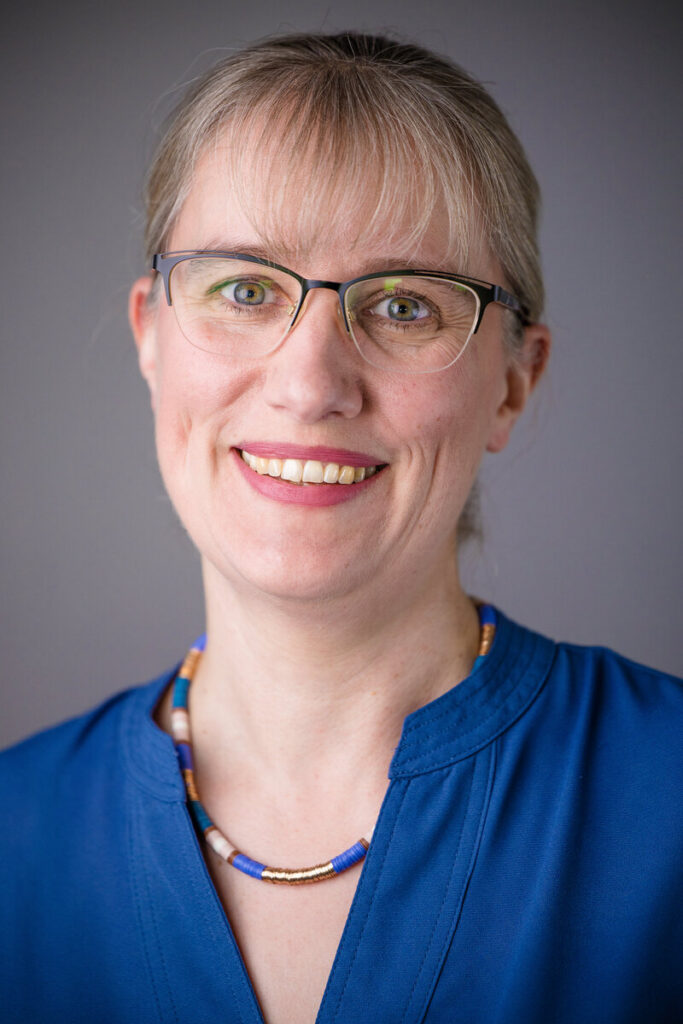
Michelle Stewart

Scientific Manager at the Mary Lyon Centre at MRC Harwell

Degree in Cell and Molecular Biology; PhD in Neurobehavioural Genetics

Michelle Stewart is the Scientific Manager at the Mary Lyon Centre at MRC Harwell. She began her career at the MLC in 2004 as an animal technician, quickly progressing to NACWO and ward manager before taking on the role of Scientific Manager in 2013.

Alongside her professional duties, Michelle completed a part-time degree in Cell and Molecular Biology, followed by a PhD in Neurobehavioural Genetics, which she was awarded in 2019.

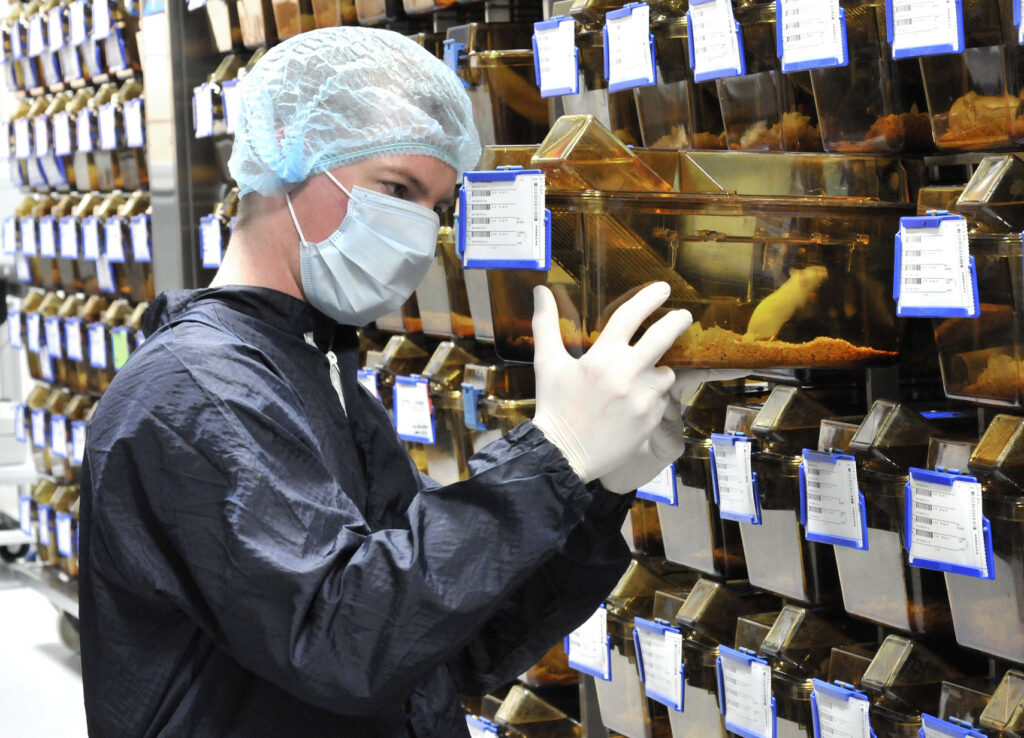
Michelle has more than 20 years of experience working with genetically altered mice, with particular expertise in complex breeding strategies, colony management, phenotyping, and all aspects of licensing. In her current role, she oversees the full operation of the animal facility at the Mary Lyon Centre, including husbandry, in-vivo studies such as dosing and phenotyping, gene delivery, and rederivation.

She works closely with both external researchers and internal teams to support and deliver high-quality in-vivo research for academic groups, biotech companies, and pharmaceutical partners across the UK. Michelle is deeply passionate about genetics and is committed to training and mentoring both animal technicians and researchers, promoting best practice and ensuring that the use of animals in research is conducted to the highest scientific and ethical standards.

  • Genetics
  • Practical Workshop

What You Will Take Away

The course is designed to give learners practical outcomes they can carry back into their own work immediately.

The most useful part was working through examples for planning complex breeding as this directly helps me with my work.

Hands-on technical mastery

Leave with stronger practical confidence and a clearer understanding of how to troubleshoot real lab problems.

Current methods and emerging practice

Build capability that reflects how active researchers and technical teams are working now.

Confidence to work independently

Apply what you learn immediately, supported by materials, recordings, and follow-on guidance.

In Their Own Words

Questions

What should I bring?

Bring a notebook and any device you regularly use for work. We provide the equipment and materials needed for the practical sessions.

Is prior experience required?

The course is designed for learners who want to build or deepen practical capability. If you are unsure about your level, contact us and we can advise.

Do you offer group bookings?

Yes. We can discuss group bookings, scheduling, and practical requirements for teams or organisations.

Ready to Advance Your Practice?

Secure your place or register your interest today